Questions about our bodies, menstruation, relationships, sexuality, violence and rights should not be difficult to ask. Yet for many women and girls, stigma, patriarchal norms and limited access to trustworthy information can make these conversations difficult and sometimes unsafe.
Laaha, the Virtual Safe Space developed by UNICEF, responds to this gap by providing women and girls with accessible, science-based information on their health, bodies, rights, relationships and safety, as well as information on available support services. Content is available through videos, podcasts, interactive tools and other accessible formats.
More importantly, Laaha was shaped through consultations with women and girls themselves, including in Lebanon. Their experiences highlighted the need for a digital space where they could find information privately and without judgment.
As one 15-year-old girl from Akkar said:
“We usually want to know these things but don’t want to ask them so this is a safe space to learn.”
FEMALE’s Role: Making Laaha Relevant to Women and Girls in Lebanon
Since June 2024, FEMALE, with the support of UNICEF, has worked on bringing Laaha closer to women and girls in Lebanon.
This has involved much more than introducing the platform to potential users. FEMALE reviewed and proofread its Arabic content to ensure that the language is accurate, gender-sensitive, uses appropriate terminology, speaks directly to girls and is relatable. The team also tested the platform internally, participated in trainings and coordination meetings and prepared for the moderation of its community space.
 FEMALE then brought women and girls directly into the process.
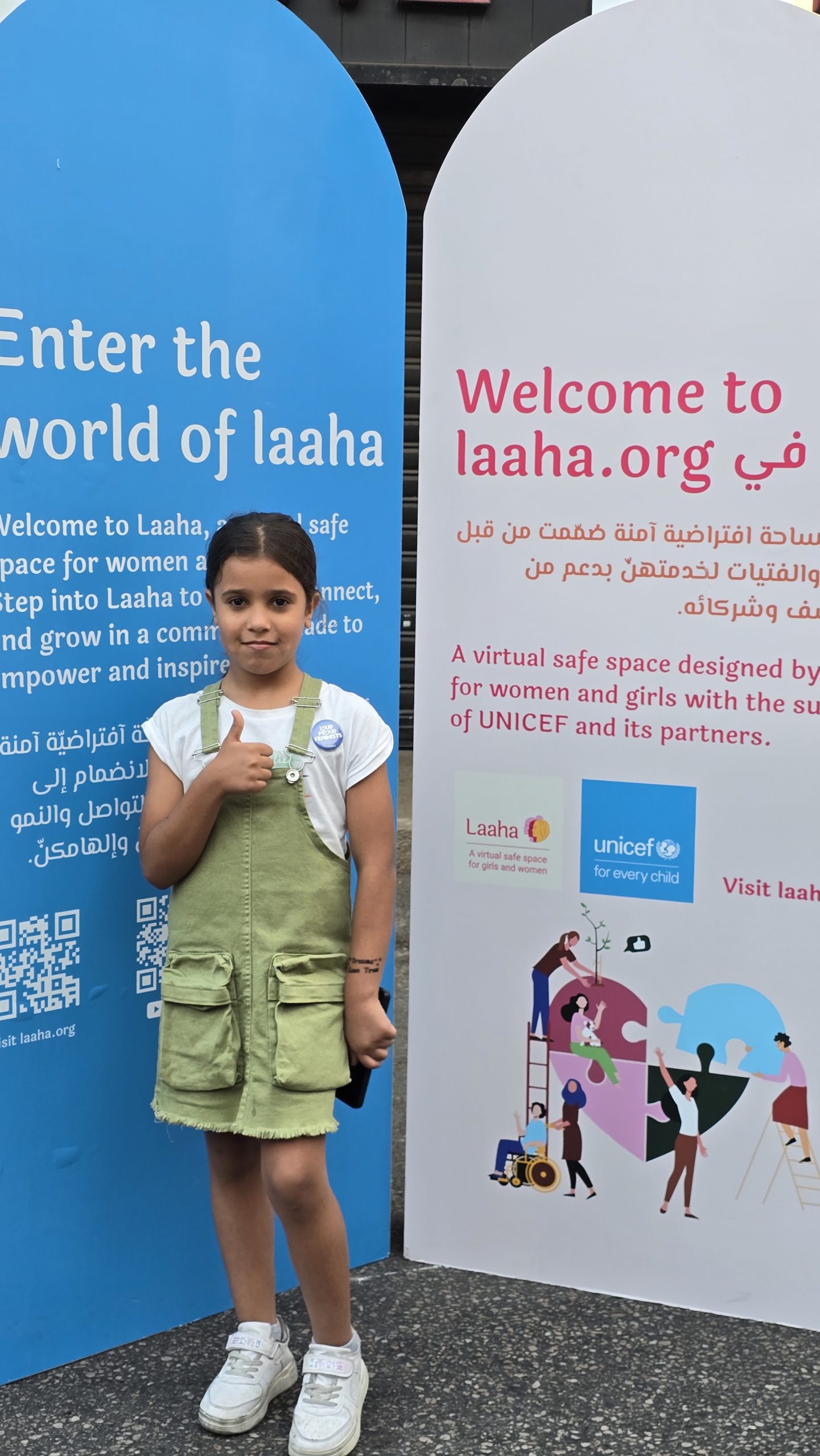
Since 2024, FEMALE has been organizing online and in-person information sessions to introduce women and girls across Lebanon to Laaha and its features.
In 2025, FEMALE expanded these efforts through 10 awareness sessions conducted in collaboration with UNICEF partner organizations, including AND, KAFA, LECORVAW and Terre des Hommes Lausanne.
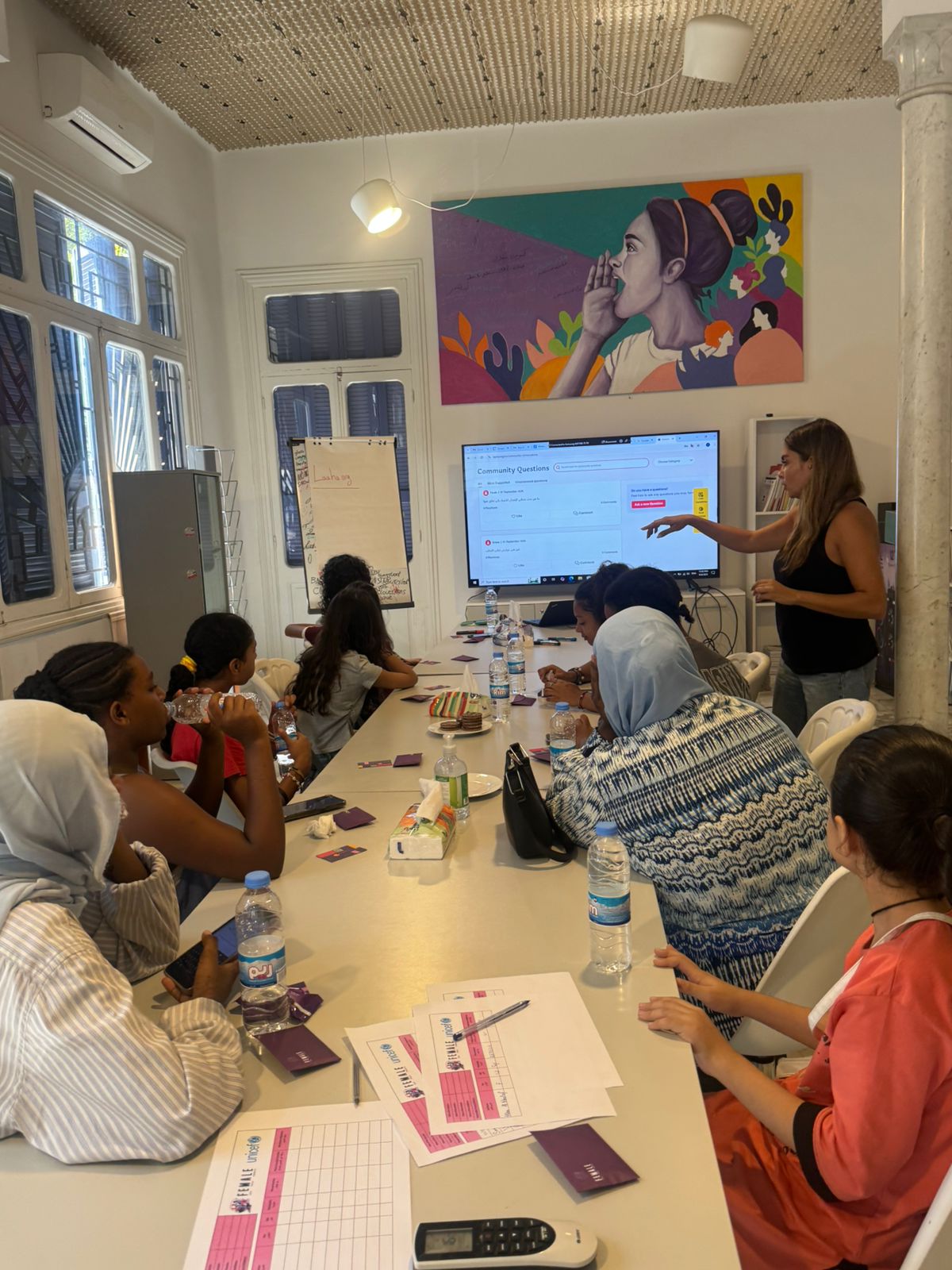
Five sessions targeted partner staff, strengthening their capacity to introduce Laaha to their communities, while five sessions directly engaged 51 women and girls. Participants were guided through the platform, explored its resources and learned how to safely navigate the user forum and submit questions about their health, rights, relationships and safety.
 During the initial testing phase in 2024, FEMALE also collected feedback from participating women and girls and shared their perspectives with UNICEF, helping identify what worked, what could be improved, and what they wanted from the platform.
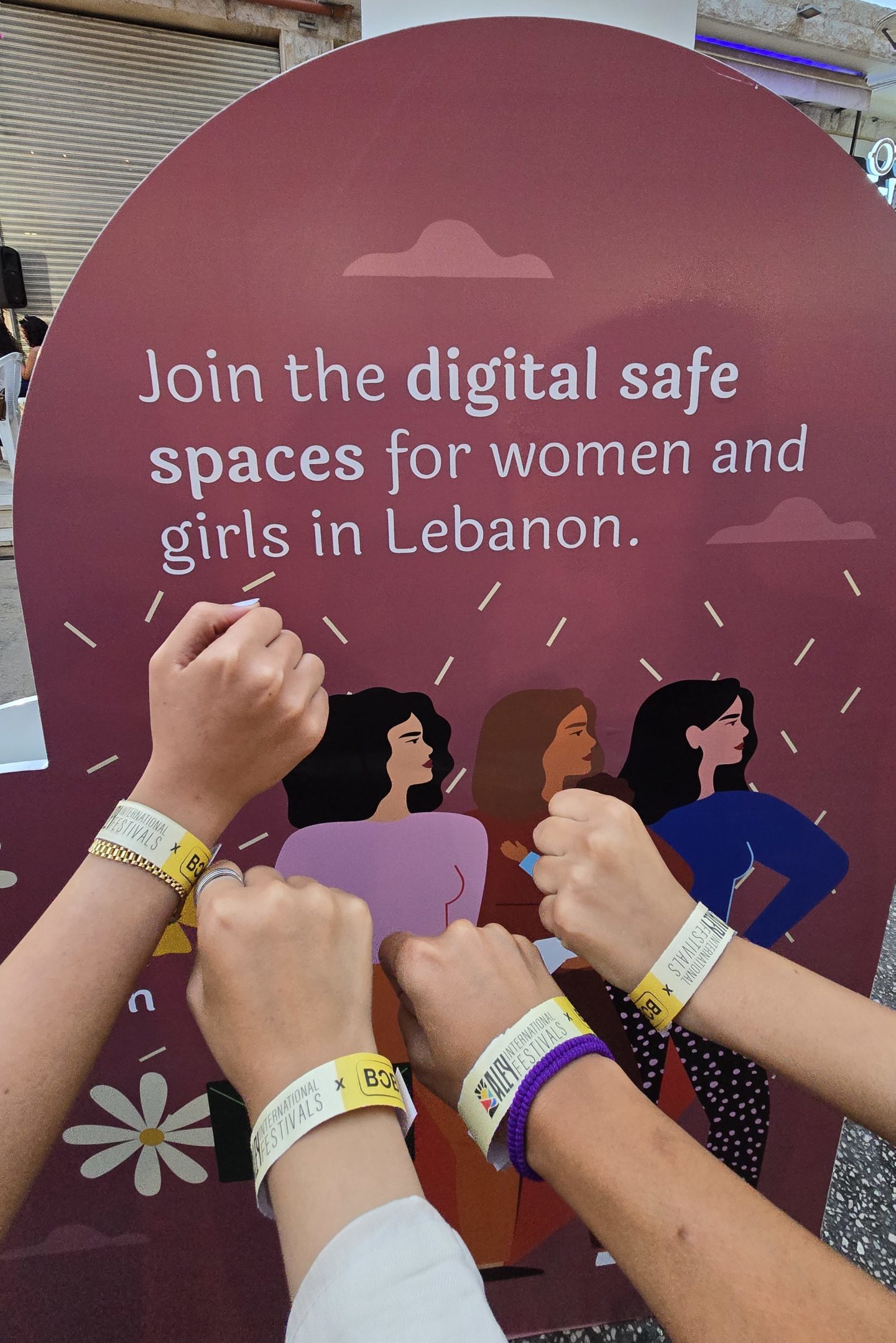
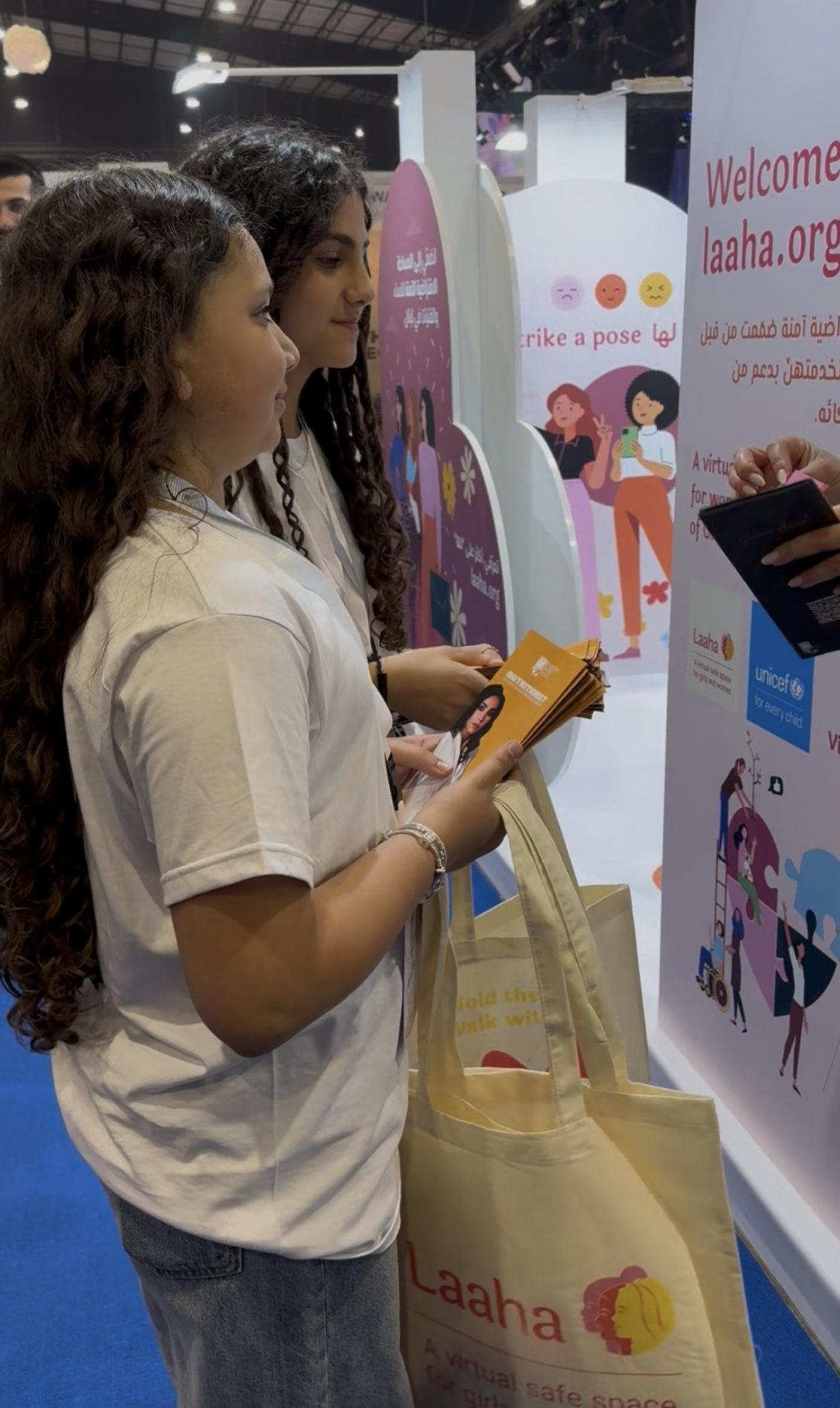
Beyond these sessions, FEMALE promoted Laaha through community events and festivals across Aley, Abadieh, Tyre, and Beirut, reaching more than 500 people in 2025. FEMALE also participated in the Wellbeing Forum, where the team shared its experience and work on the Laaha platform during a panel discussion, while FEMALE volunteers engaged with attendees, introduced them to Laaha and encouraged them to explore its features and resources.
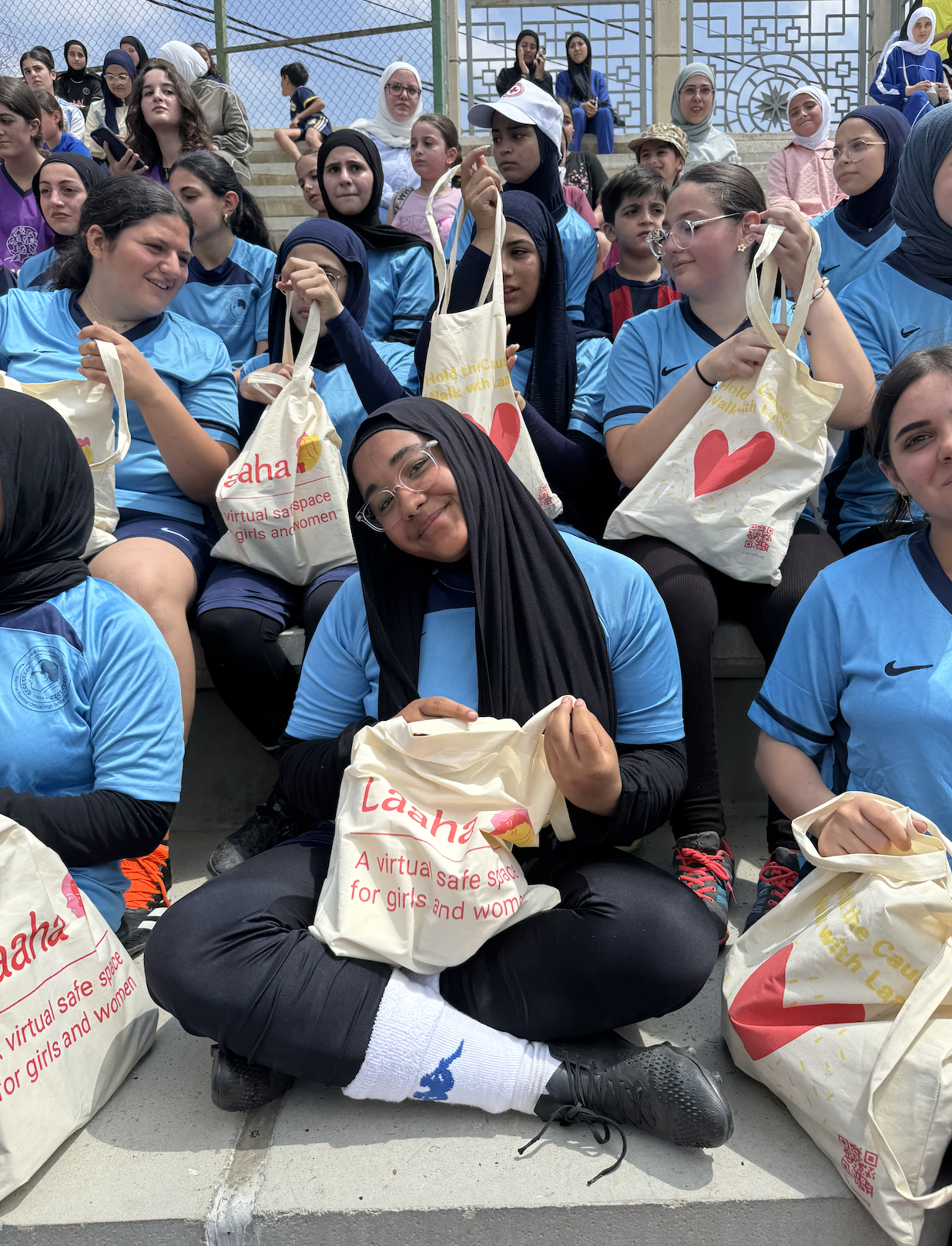
Laaha was also introduced during FEMALE’s Cultural and Sports Day, organized on 7 December as part of the 16 Days of Activism, which brought together 100 adolescent girls from different areas of Lebanon.
 Laaha was also introduced during FEMALE’s Cultural and Sports Day, organized on 7 December as part of the 16 Days of Activism, which brought together 100 adolescent girls from different areas of Lebanon.
Alongside sports, self-defense activities and discussions on online gender-based violence, participants explored Laaha’s features and learned how to safely use the platform.
FEMALE has also continued promoting Laaha during its sessions and community events by distributing dedicated Laaha kits to women and girls. The kits come in tote bags containing essential items, including menstrual pads, soap, underwear and socks. Each bag also carries a QR code that provides direct access to the platform, connecting FEMALE’s community-based activities with a virtual space where women and girls can continue exploring information and resources beyond the sessions.
One 19-year-old participant from Mount Lebanon described Laaha as:
“a platform I trust and rely on. It’s a safe space for women and girls, offering resources, support, and information on health, safety and relationships.”
Beyond Information: Creating a Space for Connection
One of Laaha’s most important features is its community forum, where women and girls can ask questions related to their health, safety, relationships, rights and access to services.
FEMALE is responsible for moderating this space in Lebanon.
The moderator reviews questions and concerns according to Laaha’s guidelines and responds while helping maintain a safe and respectful environment. Women and girls can also respond to one another, turning the forum into a space for peer support, shared experiences and connection.
This matters because sometimes what a woman or girl needs is not only an answer. She needs to know that her question is valid, that she can ask it without shame, and that she is not alone in her experience.
Safety Must Be Part of the Design
A virtual safe space must also recognize that the internet is not automatically safe for women and girls.
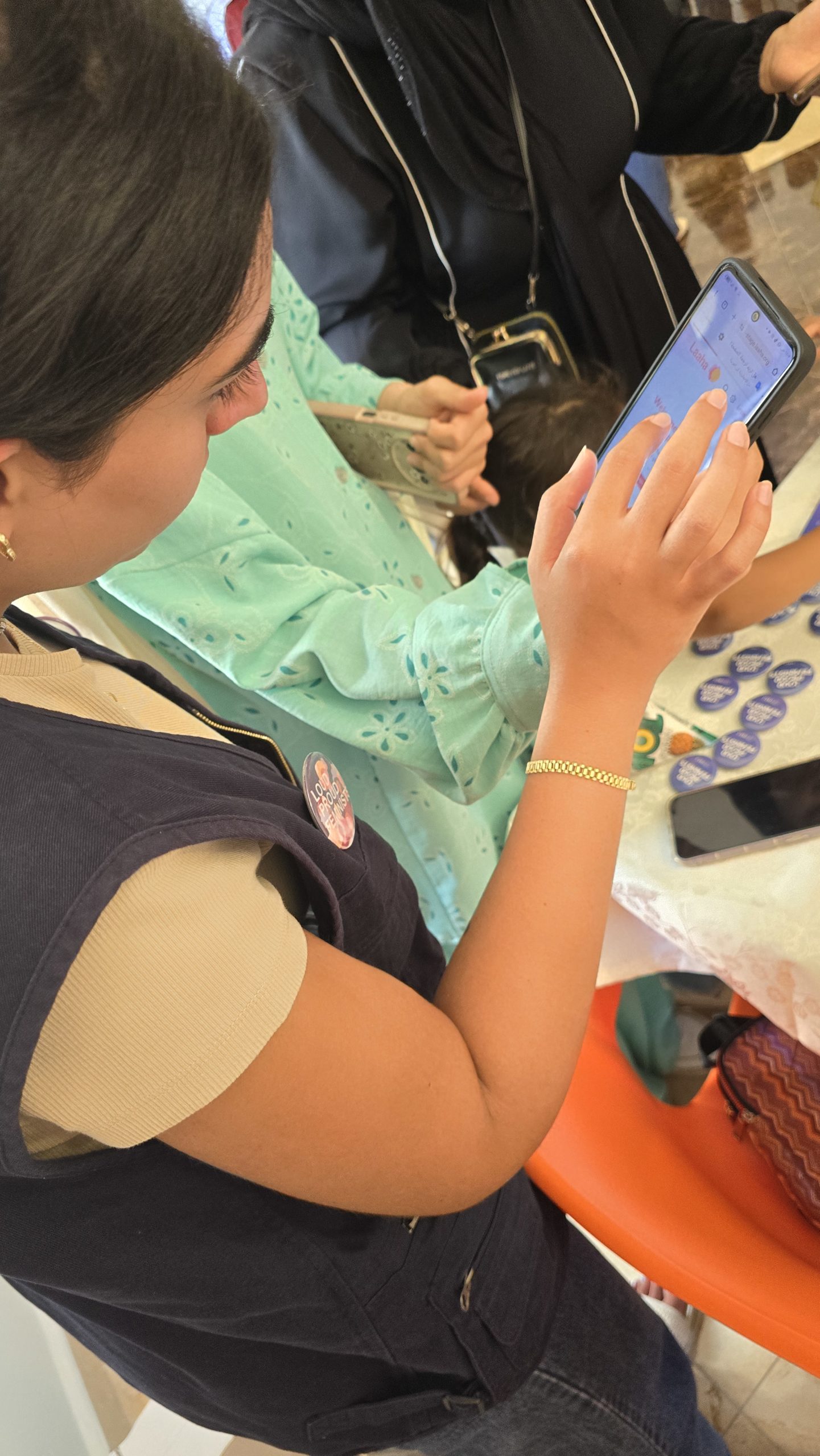
Laaha was designed with this reality in mind. It does not require users to provide identifying information and includes a quick-exit feature that allows someone to immediately leave the website. Its different content formats, including videos, podcasts and audio features, also make information more accessible to women and girls with different literacy levels and digital experiences.
For FEMALE, these elements are particularly important. Digital spaces can open doors to information and solidarity, but they can also reproduce surveillance, harassment and technology-facilitated gender-based violence. Creating feminist digital spaces therefore means thinking about access and safety together.
From Questions to Agency
No digital platform can dismantle the inequalities women and girls face on its own. But having access to trustworthy information and a safe space to seek it can make a meaningful difference.
A girl should be able to understand what is happening to her body without fear or shame. A woman questioning whether a relationship is harmful should be able to find reliable information. A survivor of violence should know where support is available. And women and girls should be able to ask questions about their lives and bodies without being judged for wanting to know.
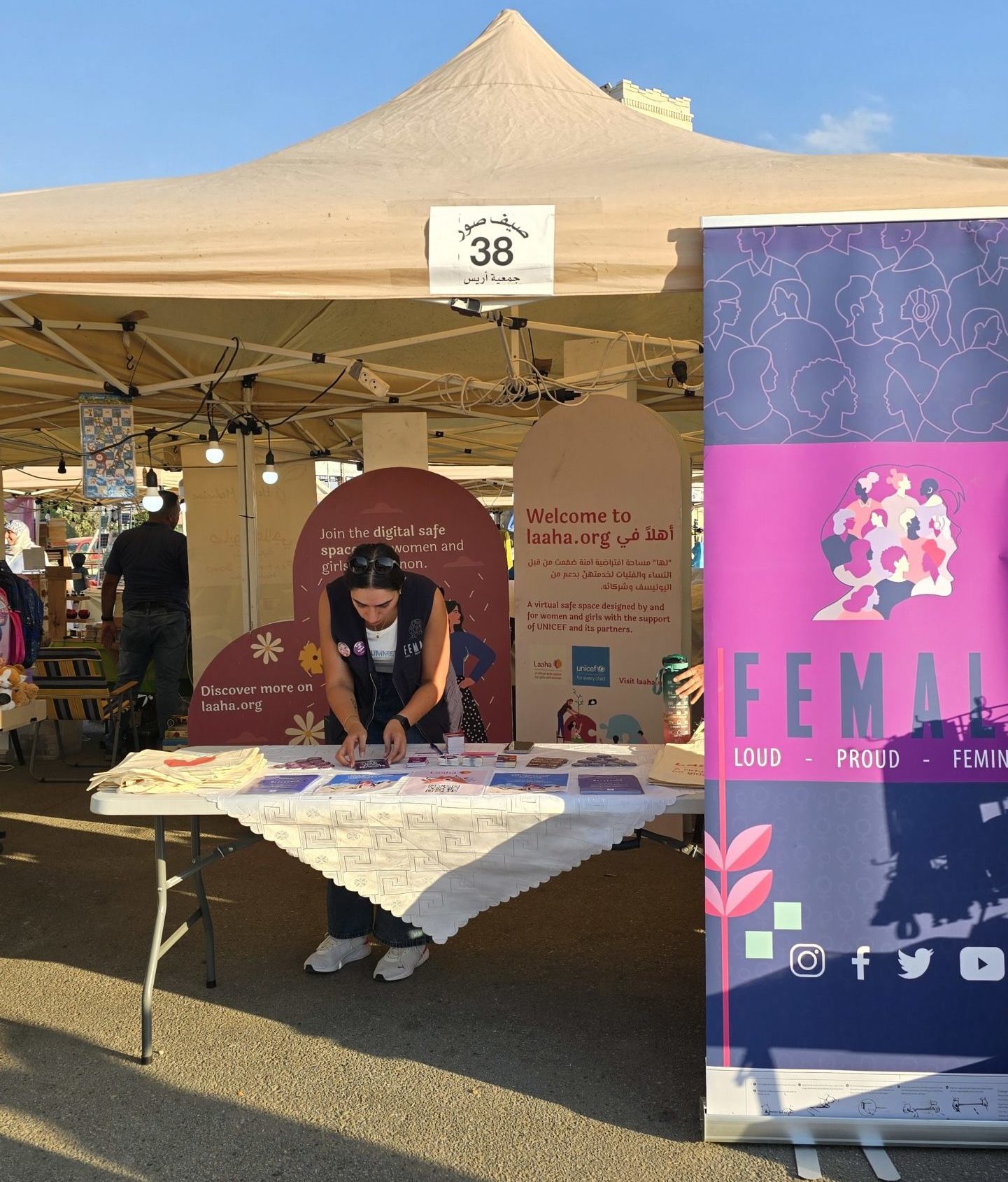
Through its work on Laaha in Lebanon, FEMALE is helping make that information more accessible while creating space for women and girls to ask, connect and support one another.
Because access to information is not simply about knowing more. It is about having greater agency to understand our experiences, make informed choices and exercise our rights.
Access Laaha Virtual Safe Space to learn more about your health, body, relationships, rights and available support services.