

Since the escalation of the Israeli war on Lebanon, 2 March 2026, thousands of families across Lebanon have experienced repeated displacement, unstable living conditions, and limited access to basic services.
While many families sought refuge in schools and collective shelters, others were forced to remain in tents, informal displacement settings, and on the streets due to overcrowded shelters and the inability to afford housing or rent.
For women and girls, the crisis has brought additional challenges: overcrowded shelters, lack of privacy, unsafe access to toilets and sanitation facilities, difficulties managing menstrual hygiene, and increased exposure to violence and exploitation during displacement…
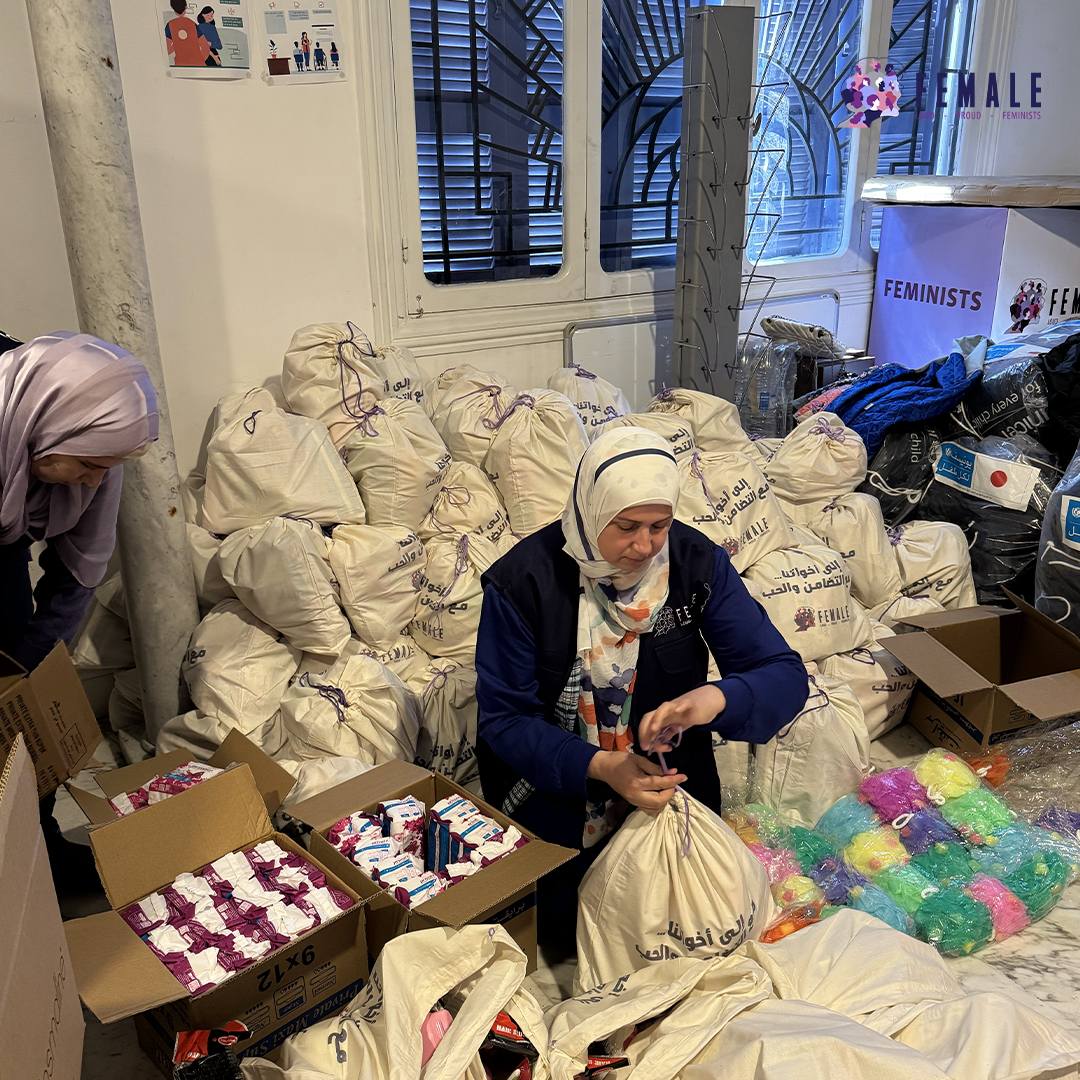
From the first days of the emergency, FEMALE mobilized its teams and volunteers to respond to the growing needs on the ground across Mount Lebanon, Beirut, Saida, North Lebanon, Chouf, and Aley.
More than 60 volunteers joined the response effort some of them displaced themselves, supporting needs assessments, distributions, awareness sessions, GBV case management and referrals in shelters and communities affected by the war.
View this post on Instagram
Starting with Listening: Needs Assessments on the Ground
Before beginning distributions, FEMALE teams conducted rapid needs assessments with displaced women, girls and families in shelters, schools and informal displacement settings.
These assessments helped identify urgent priorities, including:
- access to menstrual hygiene supplies
- mattresses and bedding items
- food assistance
- medicine, clothing and baby items
- psychosocial support
- protection and case management services for survivors of violence
During one of these assessments, a woman in a shelter shared that her children had been sleeping on diapers placed directly on the ground because they did not have mattresses.
This story reflected the difficult reality many displaced families continue to face, even months into the crisis.
Reaching Women and Girls Across Lebanon
Between March and May 2026, FEMALE’s emergency response reached:
- more than 8,053 families
- more than 9,057 women and 1,550 girls
- across 165 shelters
Through the support of our partners: UNFPA, UNICEF, Terre des Hommes Germany (TDH Germany), CARE International in Lebanon, Oxfam Lebanon, MADRE, the Mediterranean Women’s Fund, and Equipop
FEMALE distributed:
- 8,189 Menstrual Hygiene Kits
- 1,500 Rapid Response Kits
- 200 Mattresses
- 463 Food Parcels
- 370 Hot Meals
- 43 Emergency Cash Assistance
- 140 Subsidized Services, including medicine, diapers, baby formula, hygiene kits, gas canisters, refrigerators, stoves, and clothing for newborn babies… reaching 140 women.
These distributions aimed to address urgent humanitarian needs while ensuring women and girls could access essential supplies during displacement.
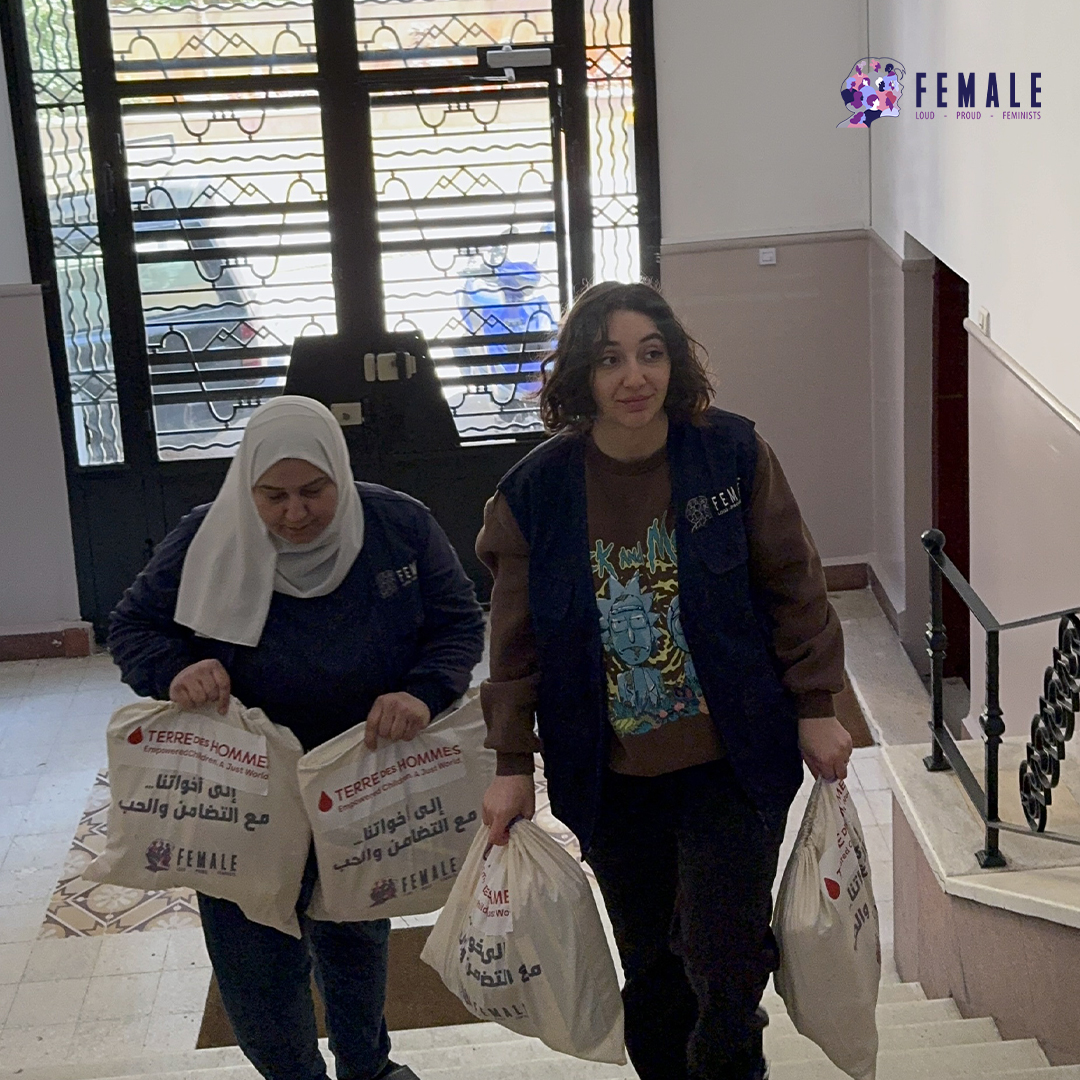
Menstrual Hygiene During War and Displacement
For many women and girls, managing menstruation during war becomes an ongoing struggle.
In overcrowded shelters and temporary displacement settings, access to toilets, privacy, clean water, and hygiene supplies remains limited. The lack of menstrual products often forces women and girls to adopt unsafe coping mechanisms, affecting their health.
Through the distribution of hygiene kits and direct engagement with women and girls, FEMALE worked to address some of these urgent gaps and ensure access to basic necessities that are often overlooked during emergencies.
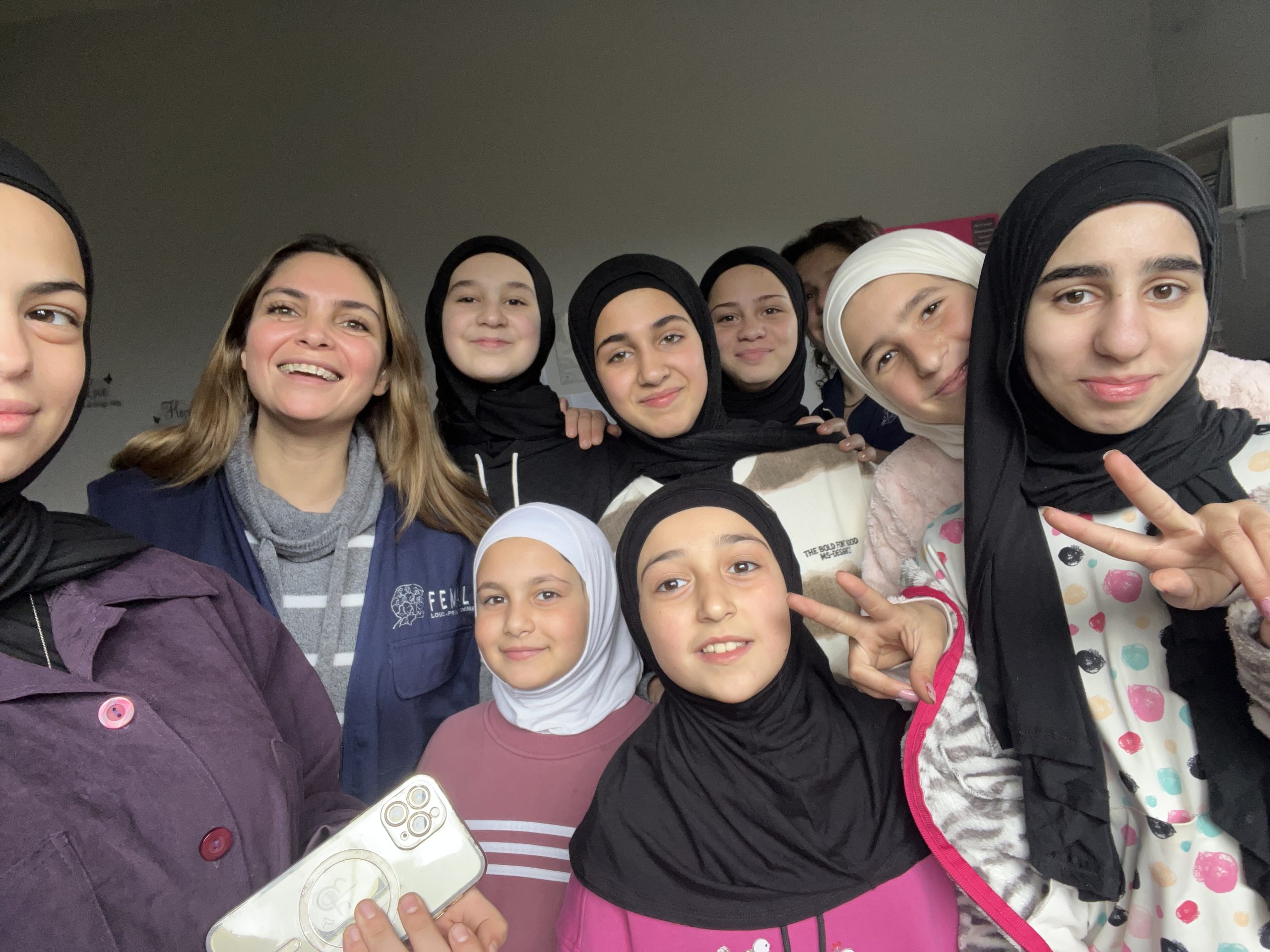
Beyond Distributions: Psychosocial Support and Protection
FEMALE’s response focused not only on material assistance, but also on emotional wellbeing and protection services for women and girls.
Between March and May 2026, FEMALE conducted:
76 psychosocial support (PSS) sessions reaching:
- 171 women (aged 18 and above)
- 169 girls (aged 12–18)
- Provided gender-based violence case management support to 29 survivors.
- Facilitated 6 referrals to and from partner organizations for women and girls requiring additional support.
In addition to providing psychosocial support, FEMALE continued offering case management, GBV and PSEA messaging and protection services for women and girls facing violence and other protection concerns in tens formal and non-formal shelters.
The majority of cases received during this period involved online gender-based violence, alongside domestic violence and personal status issues, particularly divorce. Survivors represented different nationalities and age groups, including minors. Following consultations, many survivors took protective measures such as blocking perpetrators, ending communication, strengthening digital security practices, or filing formal complaints when needed.
The war has significantly increased risks of gender-based violence, including TFGBV, harassment, exploitation, and other forms of violence that disproportionately affect women and girls during displacement.
FEMALE’s case management work also highlighted several challenges affecting women and girls during the war. Many survivors feared reporting violence due to concerns about confidentiality and privacy. In some cases, perpetrators exploited the wartime context and displacement conditions to increase control, surveillance, and violence. Overcrowded shelters and shared living spaces often limited survivors’ privacy and ability to safely seek support.
Additional barriers included repeated displacement, difficulties navigating unfamiliar environments, security restrictions, and limited access to institutions and services. Cases involving perpetrators residing outside Lebanon further complicated legal accountability and access to justice. Frequent electricity and internet disruptions also affected communication with survivors and the preservation of digital evidence. At the same time, the crisis contributed to a reduced prioritization of gender-based violence and women’s rights concerns despite the heightened risks facing women and girls.
Through awareness sessions, psychosocial support, case management, and referrals, FEMALE continued to provide safe and accessible pathways to support for women and girls facing violence and barriers to seeking help.
FEMALE also maintained its support helpline to ensure that women and girls could safely access information, referrals, and services throughout this war and during emergencies.
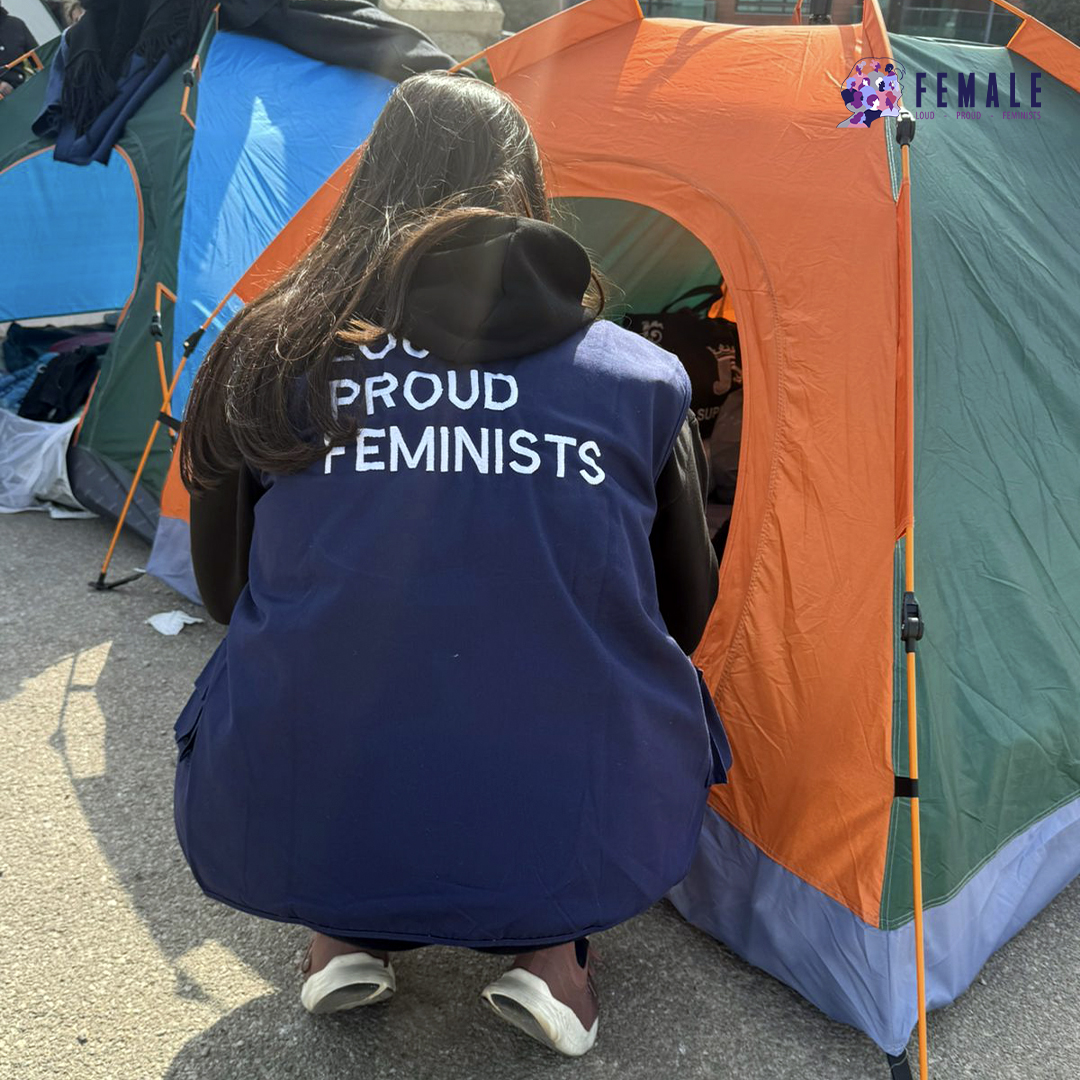
A Community-Led Feminist Response
At the heart of FEMALE’s emergency response is a community-based feminist approach that centers the experiences, safety, dignity, and agency of women and girls during times of conflict and displacement.
Despite ongoing displacement and growing humanitarian needs, FEMALE continues to stand alongside affected communities inside shelters and beyond, ensuring that women and girls are not left without support.