

Highlights from the roundtable on justice, protection, and pathways for legal reform.
“Today, I want to ask: How will my son ever be able to build a normal relationship with me?”
This question, posed by one of the survivors during the roundtable, captured the reality behind FEMALE’s newly launched study “Women’s Cases Before Courts in Lebanon: A Structural Analysis of Justice and Protection Pathways.”
Behind every legal case are years of waiting, separation, uncertainty, and emotional and financial hardship. For many women in Lebanon, the journey to justice extends far beyond the courtroom.
On Friday, 10 July 2026, FEMALE, in partnership with Oxfam in Lebanon, launched the study during a roundtable held at Radisson Blu Martinez Hotel in Beirut, bringing together judges, lawyers, legal experts, civil society representatives, and survivors to discuss pathways toward a more equitable justice system.
View this post on Instagram
Why this study?
Opening the roundtable, Hayat Mirshad, Executive Director of FEMALE, explained that the study builds on years of accompanying women through legal proceedings and the organization’s experience supporting survivors of violence. She noted that the research also emerged from FEMALE’s Legal Clinic Initiative, implemented in partnership with LOYAC, which seeks to strengthen the capacities of young legal professionals working on women’s rights.
Mirshad emphasized that many women experience the same patterns of discrimination before personal status courts whether in child custody, alimony, guardianship, or the enforcement of judicial decisions, yet often believe they are facing these challenges alone. She stressed that documenting these experiences is a crucial step toward exposing systemic barriers, informing legal reform, and building a justice system that better responds to women’s realities.
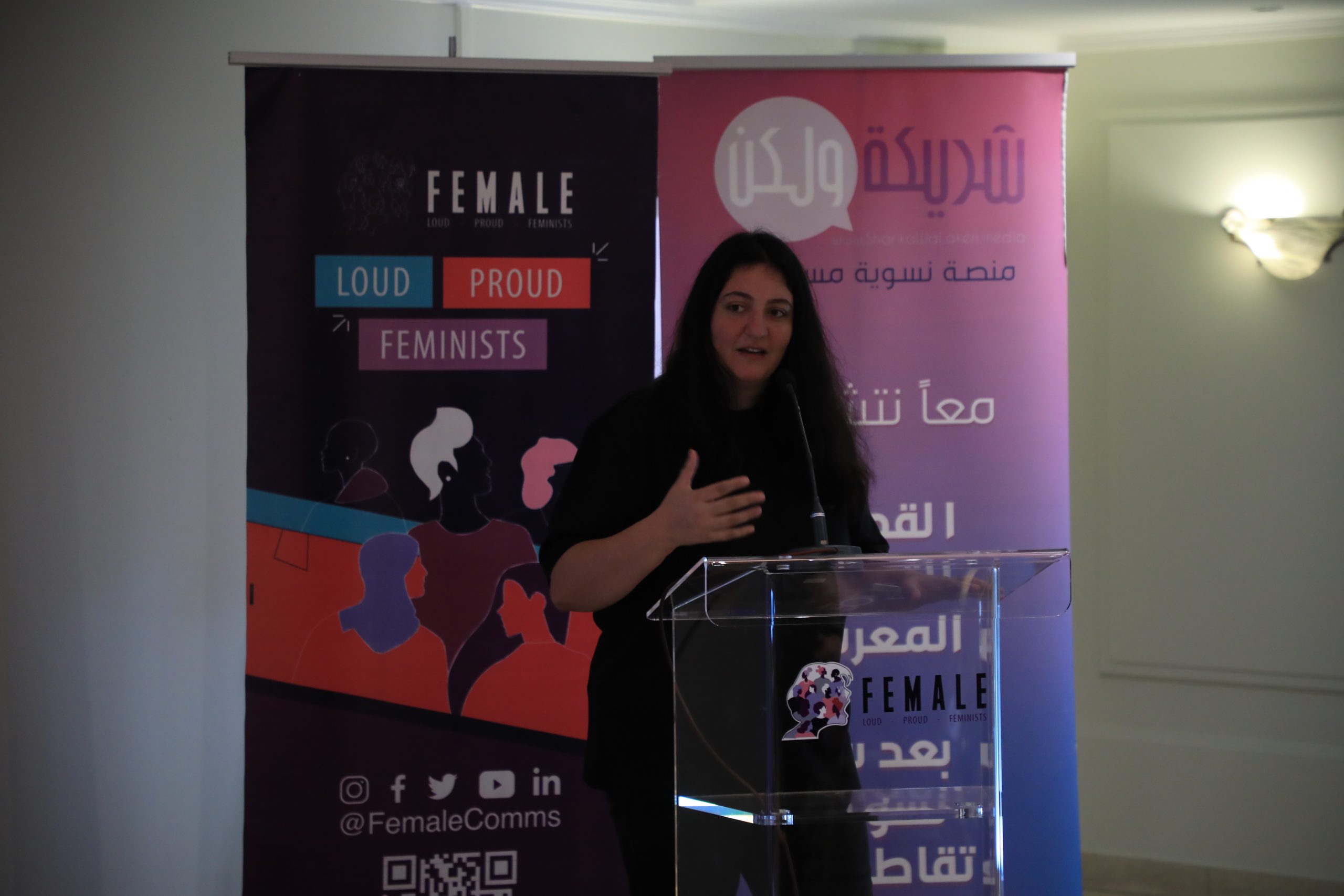
Centering Survivors’ Experiences
Throughout the roundtable, survivors shared deeply personal testimonies that brought the study’s findings to life. Their experiences illustrated the emotional, financial, and procedural burdens women endure while navigating personal status courts, highlighting the impact of lengthy legal proceedings, obstacles to enforcing judicial decisions, and the struggle to maintain relationships with their children.
One survivor described the emotional toll of being separated from her son for years and the lengthy legal process she continues to navigate in order to rebuild their relationship. She also shared that each supervised visit with her child costs USD 400, placing an additional financial burden on a mother simply trying to exercise her right to see her own child. While she continues to bear these costs, she questioned how many other mothers are unable to do so and whether a mother’s relationship with her child should ever depend on her ability to pay.
Her testimony underscored one of the study’s central messages: access to justice should never be determined by financial means, procedural delays, or structural barriers.
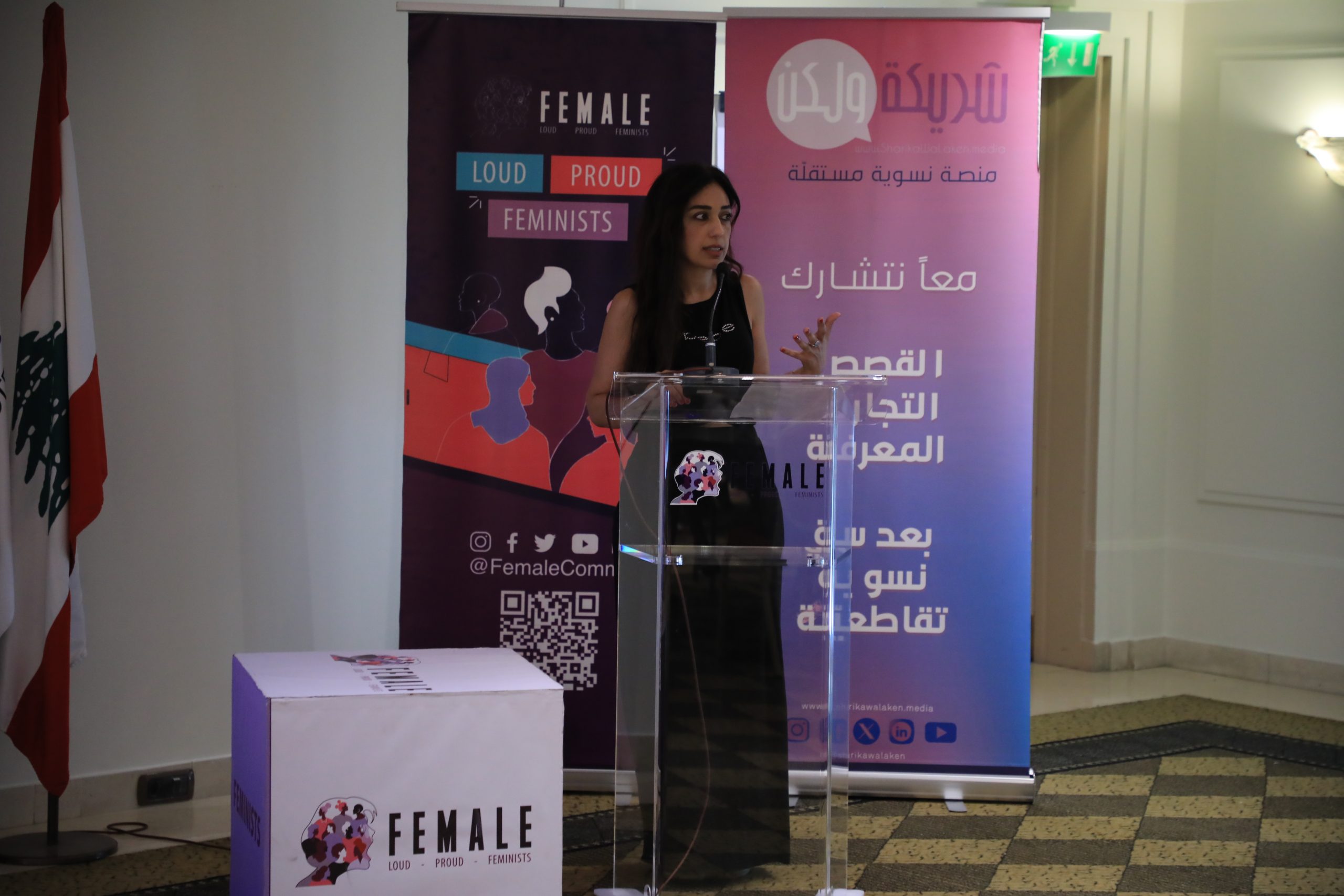
Research grounded in lived experiences
Researcher and legal advocate Dr. Khouloud Al Khatib presented the study’s findings, explaining that the research goes beyond analyzing legal texts.
Drawing on in-depth interviews with judges, lawyers, and survivors, alongside an analysis of court cases and judicial decisions, the study demonstrates that many of the challenges women encounter are not isolated incidents but manifestations of structural inequalities embedded within Lebanon’s fragmented personal status system.
Dr. Al Khatib explained that the coexistence of multiple personal status laws and courts does not create greater choice for women; instead, it often results in unequal access to justice, where rights vary depending on religious affiliation rather than universal standards of equality.
The study concludes by presenting practical legislative, institutional, and policy recommendations aimed at strengthening women’s access to justice and protection in Lebanon.
A dialogue toward reform
The roundtable concluded with an open discussion among judges, lawyers, legal experts, survivors, and civil society representatives, who exchanged perspectives on the study’s findings and discussed opportunities for legal and institutional reform.
The conversation reinforced that meaningful reform requires more than legal amendments. It requires listening to survivors, grounding policy in evidence, and fostering collaboration among the judiciary, legal professionals, civil society, and decision-makers to build a justice system that better serves women and children.