

As digital spaces become increasingly integral to everyday life, women and girls in Lebanon continue to face serious risks online. Harassment, blackmail, defamation, and other forms of digital abuse have transformed cyber violence into one of the most urgent human rights challenges affecting women and girls today. Guided by these realities, FEMALE has committed itself to advancing protections for women and girls in the digital sphere and pushing for comprehensive legal reform.
A Step Toward Legislation
As part of its long-standing advocacy efforts, FEMALE organized a national roundtable discussion titled “A Step Toward Legislation: MPs and Parliamentary Blocs Discuss the Draft Law on Protecting Women from Cyber Violence.”
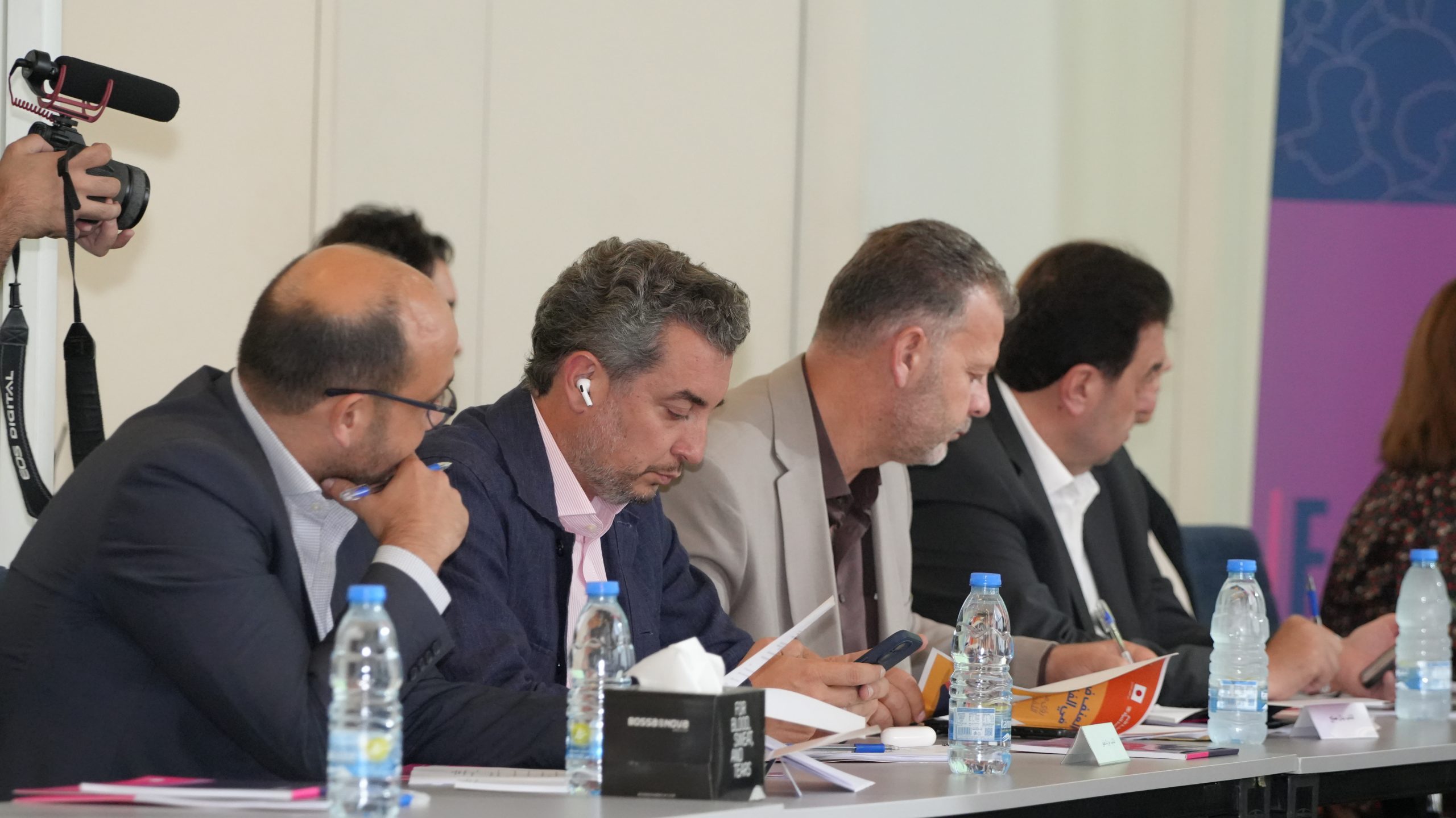
Held on October 1, 2025, at the Bossa Nova Hotel in Sin el Fil, the event brought together members of parliament, representatives from political parties and parliamentary blocs, and legal experts to engage in a constructive dialogue around Lebanon’s first comprehensive draft law addressing cyber violence against women.
The roundtable was attended by MP Ibrahim Mneimneh, MP Yanal El Solh, MP Paula Yaacoubian, MP Halima Kaakour, MP Nada Al Bustani, MP Elias Hankach, MP Mark Daou, MP Firas Hamdan, MP Michel Douaihy, and MP Saeed Asmar, reflecting growing parliamentary engagement with the urgent need to address technology-facilitated gender-based violence in Lebanon.
View this post on Instagram
Participants expressed a shared willingness to continue working alongside FEMALE to advance a legal framework capable of criminalizing all forms of cyber violence and ensuring justice and protection for survivors.
Insights from the Discussion
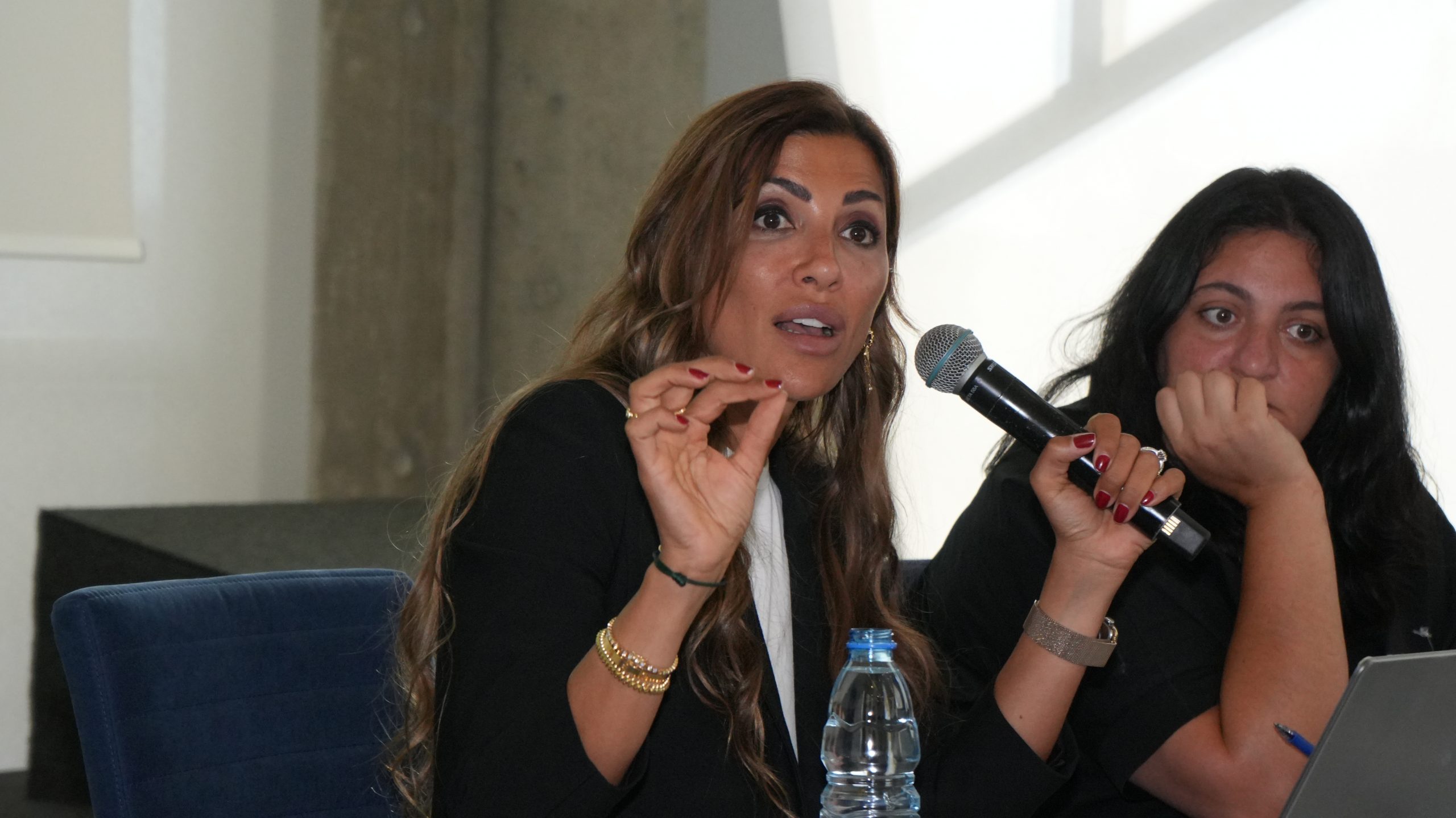
During the roundtable, Judge Nazek Al-Khatib presented the draft law in detail, outlining the offenses it covers, the penalties it proposes, and the protection mechanisms it introduces. Her presentation underscored the urgent need for legal tools that respond to the evolving forms of digital harm experienced by women and girls in Lebanon.
In her intervention, Hayat Mirshad, Executive Director of FEMALE, emphasized the seriousness of the issue by sharing key findings and alarming statistics. She noted that more than 300 cases of cyber violence are reported each month in Lebanon, and that 80 percent of victims between 2020 and 2023 were women and girls. She also highlighted that teenage girls aged 12 to 20 are the group most affected by digital abuse. These insights illustrate the scale of the crisis and the pressing need for protective legislation.
The roundtable marked an essential step toward the advancement of a long-awaited cyber violence law. Participants stressed that adopting such legislation would protect women’s privacy, dignity, and security, strengthen accountability, and enable women and girls to participate freely and confidently in digital spaces without fear or intimidation.
FEMALE will continue to work closely with parliamentarians, legal experts, and partner organizations to refine the draft law and advocate for its adoption in Parliament.
Beyond Legislation: Our Broader Work
Alongside its advocacy for legal reform, FEMALE continues to document cases of cyber violence through its dedicated hotline and support channels. In 2023 alone, 198 cases were reported to the organization. FEMALE also leads awareness campaigns, conducts digital safety trainings for young women and girls, and provides legal and psychosocial support to survivors. Through this comprehensive approach, the organization strives to ensure both immediate support and long-term systemic change.
Our Commitment
FEMALE remains steadfast in its commitment to building a future where every woman and girl in Lebanon can navigate digital spaces freely and safely.
The roundtable represents an important milestone in this journey and reaffirms our determination to achieve digital justice, equality, and protection for all women and girls.